

The global heating appliance landscape is undergoing continuous transformation, driven by efficiency demands, safety expectations, and evolving environmental standards. In this context, the Gas Water Heater has become a central solution for stable domestic and commercial hot water supply. Its technological evolution reflects broader changes in energy systems, where reliability and thermal precision are increasingly important. As engineering capabilities advance, manufacturers are focusing on improving combustion control, heat exchange stability, and system integration to meet diverse application requirements.
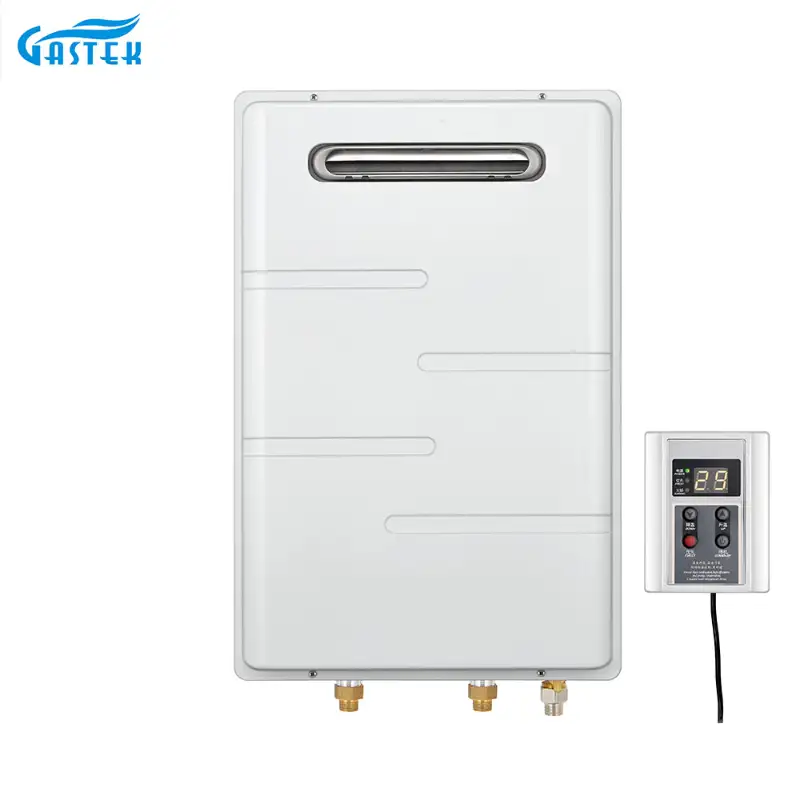
The heating equipment market is shifting toward smarter, safer, and more adaptive systems. Traditional heating structures are being replaced by optimized configurations that prioritize energy utilization and user comfort. Within this development trend, the Gas Water Heater continues to maintain strong relevance due to its balance of performance and operational stability.
Market expectations are also changing. End-use environments now require faster response times, improved thermal consistency, and reduced maintenance dependency. These requirements have encouraged manufacturers to refine design standards and adopt more advanced production technologies. As a result, system integration and component precision have become critical factors in product development.
Engineering improvements in heating systems are focused on combustion efficiency, thermal transfer optimization, and structural durability. The evolution of control systems has allowed more accurate temperature regulation and improved operational stability under varying conditions.
In modern heating systems, the Gas Water Heater is no longer a standalone unit but part of an interconnected thermal network. This shift requires stronger compatibility between components such as burners, valves, sensors, and heat exchangers. Engineers are increasingly prioritizing modular design approaches that support easier maintenance and improved long-term reliability.
Combustion systems play a key role in determining overall performance. Enhanced air-fuel mixing, stable ignition control, and improved exhaust management contribute to more efficient thermal output. These improvements reduce energy waste and ensure consistent heating performance across different operating environments.
Advanced control mechanisms now allow real-time adjustments to combustion conditions, ensuring smoother operation and reduced fluctuations in water temperature. This contributes directly to improved user experience and system durability.
Safety remains a top priority in all heating system designs. Structural reinforcement, pressure control mechanisms, and thermal protection layers are integrated into modern units to minimize operational risks. These safety enhancements are supported by continuous testing and validation processes.
Material durability also plays a significant role in system stability. Heat-resistant alloys and corrosion-resistant coatings are widely used to extend service life and maintain consistent performance under long-term operation.
Heating systems are applied across a wide range of environments, each with distinct operational requirements. Residential applications emphasize comfort and efficiency, while commercial environments prioritize continuous operation and stable output.
In these scenarios, the Gas Water Heater provides a flexible solution capable of adapting to varying demand levels. Its ability to deliver stable hot water output makes it suitable for multi-environment usage, from small-scale installations to larger integrated systems.
In residential settings, compact design and quiet operation are essential considerations. Systems are designed to respond quickly to demand changes while maintaining consistent temperature control. Energy efficiency and safety protection features are also highly valued.
Modern residential systems integrate intelligent control functions that improve usability and reduce manual adjustment requirements. This enhances overall system convenience and reliability.
Commercial environments require higher durability and continuous operational capability. Systems must maintain stable output under extended usage cycles while minimizing maintenance interruptions.
Engineering improvements in heat exchange efficiency and structural reinforcement support these requirements. As a result, commercial systems are increasingly capable of handling fluctuating demand without compromising performance.
Material selection is a key factor influencing system durability and efficiency. Manufacturers focus on improving thermal resistance, corrosion protection, and structural strength to ensure long-term stability.
Component design is also evolving toward higher precision and modular compatibility. Each part is engineered to support seamless integration within the overall system architecture, improving both performance and serviceability.
| Component Type | Functional Role | Material Characteristics | System Contribution |
|---|---|---|---|
| Heat Exchange Unit | Thermal transfer enhancement | High conductivity and corrosion resistance | Improves heating efficiency and stability |
| Combustion Chamber | Fuel burning control | Heat resistant and durable structure | Ensures stable energy output |
| Control Module | System regulation | Precision electronic components | Maintains operational balance |
| Water Flow Regulator | Flow adjustment | Wear resistant sealing materials | Ensures consistent water delivery |
Proper maintenance practices are essential for sustaining long-term system performance. Regular inspection and timely component replacement help maintain operational stability and reduce unexpected interruptions.
Lifecycle management strategies focus on predictive maintenance and performance monitoring. By analyzing system behavior over time, potential issues can be identified early, allowing preventive actions to be taken before performance degradation occurs.
Service optimization also includes cleaning of internal structures, calibration of control systems, and verification of safety mechanisms. These practices ensure consistent operation and extend overall system lifespan.
Technological progress in the heating sector is closely linked to collaboration between manufacturers, engineering teams, and research institutions. Shared expertise helps accelerate innovation and improve product reliability.
Standardization efforts also play an important role in ensuring compatibility and safety across different systems. These efforts contribute to the development of more unified design frameworks and improved manufacturing consistency.
Future development trends indicate increased focus on intelligent control systems, improved material engineering, and enhanced thermal efficiency solutions. These advancements will continue to reshape industry expectations.
Zhongshan Gastek Home Appliance Company Limited, established as a professional OEM manufacturer of gas water heating systems and related heating equipment, has built a strong foundation in engineering and innovation. Its commitment to quality control and international certification standards supports its position in the global market.
The company continues to invest in research and development, focusing on improving system stability, structural design, and operational efficiency. Its technical team has contributed to advancements that support safer and more efficient heating solutions across multiple markets.
Through continuous innovation, the company has strengthened its capabilities in developing advanced heating systems that incorporate modern engineering principles. The Gas Water Heater remains a key product focus, reflecting the company’s expertise in delivering stable and efficient thermal solutions.
With a strong emphasis on quality assurance and technological progress, Zhongshan Gastek Home Appliance Company Limited continues to play an important role in advancing heating technology and supporting the evolving needs of the global industry.


