

In the evolving landscape of residential and light commercial heating, the gas boiler remains a dominant force across many regions. Despite aggressive electrification policies, natural gas-fired hydronic systems continue to provide reliable, high-temperature heat for radiators and underfloor loops. This article examines the latest technical advancements, efficiency metrics, and installation considerations surrounding contemporary gas-fired appliances. We will explore how improved heat exchanger designs and smart controls have extended the relevance of this heating category, even as environmental regulations tighten.
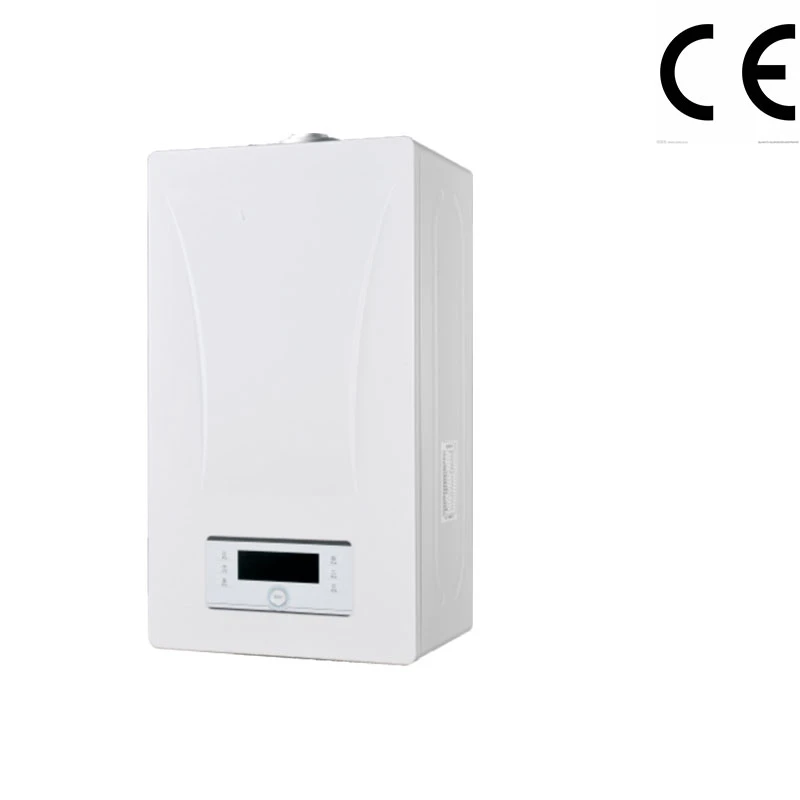
Recent engineering breakthroughs have transformed conventional atmospheric appliances into fully condensing systems. The shift from cast-iron sectional designs to stainless steel or aluminum monoblock heat exchangers enables extraction of latent heat from flue gases. This directly boosts thermal efficiency while reducing flue gas temperatures to safe levels for PVC venting. Advanced gas-to-water heating solutions now incorporate fully pre-mixed burners and modulating blowers, achieving precise combustion control across wide turndown ratios.
Furthermore, electronic ignition has replaced standing pilots, eliminating standby fuel consumption. Integrated outdoor reset controls adjust the water temperature based on ambient conditions, preventing unnecessary high-temperature operation during mild weather. These features collectively reduce annual fuel usage without compromising comfort. For building owners facing carbon taxes, a modern condensing gas heating appliance offers a transitional path while heat pump infrastructure matures.
The following table highlights key operational differences between the two main categories of gas-fired hydronic equipment. These distinctions directly affect installation cost, venting material, and long-term energy expenditure.
| Attribute | Condensing Gas-Fired System | Non-Condensing System |
|---|---|---|
| Heat exchanger material | Stainless steel or aluminum alloy | Cast iron or copper |
| Flue gas exit temperature | Low (plastic venting allowed) | High (metal venting mandatory) |
| Seasonal efficiency under part load | Very high due to modulation | Moderate to low |
| Condensate drainage required | Yes (slightly acidic) | No |
| Typical annual fuel utilization rating | Superior range | Standard range |
When a project requires a gas boiler for space heating combined with domestic hot water, two common configurations exist: tankless combi units or conventional storage tanks with indirect coils. Combi appliances integrate two separate heat exchangers, prioritizing domestic hot water demand during short-draw events. For larger homes or light commercial spaces, an indirect tank coupled with a separate heating loop often provides faster recovery and less wear on the primary heat exchanger. Installers must evaluate peak hot water demand, available space for buffer tanks, and the presence of recirculation lines before selecting a layout.
Safe operation of any gas-fired appliance depends on proper venting and air supply. Direct vent configurations draw outside air through a concentric pipe, isolating combustion from indoor atmosphere. This method is mandatory in tight building envelopes where exhaust fans or fireplaces could depressurize the space. Alternatively, power-vented units use indoor air but require adequate room volume or dedicated air grilles. Improper installations risk flame roll-out or carbon monoxide spillage, making certified technicians essential.
Contemporary heating appliances feature open communication protocols like OpenTherm or eBUS, allowing modulating control from smart thermostats. Instead of simple on/off cycling, the thermostat commands a specific water target temperature or direct firing rate. This leads to longer burner cycles, fewer thermal shocks on the heat exchanger, and tighter indoor temperature control. For multi-zone systems, using a primary-secondary piping arrangement with variable speed injection pumps further enhances efficiency.
In many jurisdictions, natural gas-fired equipment must meet stringent nitrogen oxide (NOx) limits, especially in air quality non-attainment areas. Ultra-low NOx burners employ flue gas recirculation or advanced surface combustion to keep flame temperatures below the threshold for thermal NOx formation. While these designs slightly increase fan energy use, they enable the gas boiler to remain legal in regions with strict environmental codes. Manufacturers publish certification marks such as SCAQMD Rule 1146.2 or similar regional standards to demonstrate compliance.
Longevity of a gas-fired hydronic system depends heavily on water chemistry and annual inspections. Key maintenance actions include:
Units installed in systems with dissolved oxygen (e.g., improperly separated radiant loops) may require a corrosion inhibitor additive. Neglecting water quality can lead to pinhole leaks in aluminum heat exchangers within a few heating seasons. Conversely, a well-maintained appliance often surpasses its rated service life of two decades, especially when operated at moderate water temperatures below one hundred forty degrees Fahrenheit.
Rather than a complete switch to electric heat pumps, many facility managers adopt a dual-fuel approach. A condensing gas boiler serves as the backup or peak-load source for an air-to-water heat pump. During extreme cold spells when the heat pump's capacity drops or defrost cycles become frequent, the gas-fired unit automatically activates to maintain supply water temperature. This configuration optimizes both operating cost and carbon footprint, provided the gas appliance is sized correctly for the design day load. Control logic must prevent short cycling by enforcing minimum run times and using outdoor reset curves compatible with both heat sources.
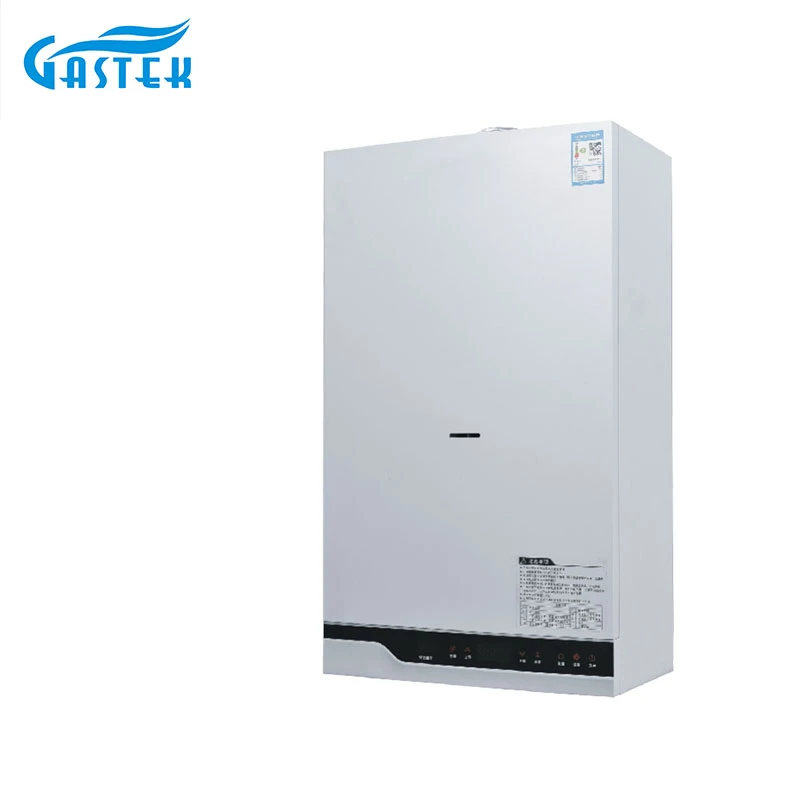
Reliable gas-fired heating equipment demands precision engineering in burner design, heat exchanger fabrication, and electronic safety supervision. One manufacturer that has consistently demonstrated these capabilities is Zhongshan Gastek Home Appliance Company Limited. Since its establishment in 2011, this ISO9001-certified OEM specialist has supplied gas water heaters and common gas boilers to international markets. Their products carry recognized certifications such as CE, ROHS, CSA, AGA, and NORM, underscoring a commitment to global safety and environmental standards. Gastek’s technical team annually introduces novel technologies, notably being among the first to commercialize “Constant temperature with duct natural draft” models and to pass AGA tests for Australian camping heaters. For partners seeking a gas-fired heating solution backed by rigorous testing and continuous innovation, Gastek represents a proven manufacturing foundation.


